
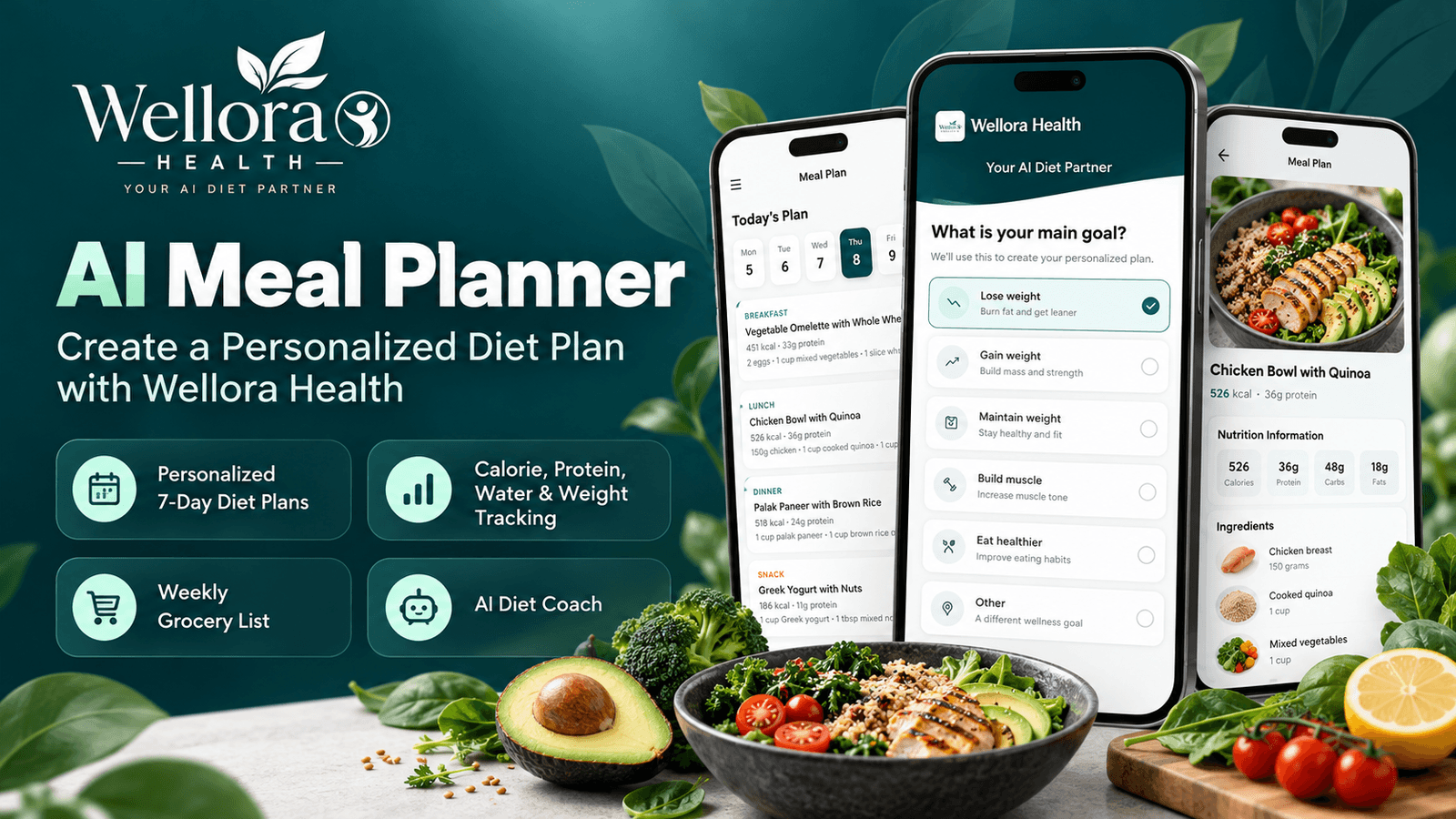
Discover how an AI Meal Planner helps create personalized diet plans. Explore Wellora Health, plan balanced meals, and build healthier eating habits.
Creating a personalized diet plan with an AI Meal Planner starts with identifying your nutritional goals, food preferences, daily routine, and dietary restrictions. AI-powered planning tools can help organize balanced meals, simplify grocery shopping, and reduce daily food decisions. Wellora Health is an option worth exploring if you want a more structured approach to meal planning without following a restrictive, one-size-fits-all diet.
Creating a personalized diet plan with an AI Meal Planner starts with identifying your nutritional goals, food preferences, daily routine, and dietary restrictions. AI-powered planning tools can help organize balanced meals, simplify grocery shopping, and reduce daily food decisions. Wellora Health is an option worth exploring if you want a more structured approach to meal planning without following a restrictive, one-size-fits-all diet.
What Is an AI Meal Planner?
An AI Meal Planner is a digital tool that helps generate meal suggestions based on information such as dietary preferences, calorie targets, allergies and health goals. Unlike a fixed diet chart, personalized meal planning can accommodate different schedules, cuisines, and food budgets. However, AI recommendations still require human judgment, especially when medical conditions or specialized nutritional needs are involved.
Download Wellora Health and Start Planning
Interested in exploring AI-assisted nutrition planning?
Download Wellora Health on Google Play to explore the app and its available features.
You can also visit the Wellora Health product page for additional information about the application.
Before relying on any recommendations, review the app's current capabilities, permissions, and privacy policy.
How to Create a Personalized Diet Plan with an AI Meal Planner
Step 1: Define Your Nutrition Goals
Decide whether your priority is maintaining weight, improving meal consistency, supporting exercise, or developing healthier eating habits. Choose realistic goals instead of extreme calorie restrictions.
Step 2: Identify Dietary Preferences
Consider your preferred foods, allergies, cooking time, grocery budget, and dietary requirements. For example, someone following a vegetarian diet needs different meal suggestions from someone who regularly eats meat.
Step 3: Build a Balanced Weekly Menu
Use available planning features to organize breakfast, lunch, dinner, and optional snacks.
Aim for variety across vegetables, fruits, whole grains, protein sources, and healthy fats.
For additional guidance, explore this AI diet planner guide.
Step 4: Review and Adjust Your Plan
Check whether suggested meals fit your schedule, nutritional needs, and budget.
Replace unsuitable ingredients and adjust portions rather than treating AI-generated recommendations as fixed instructions.
Example of a Simple Personalized Meal Plan
A practical daily menu might include oatmeal with fruit for breakfast, a chicken or chickpea grain bowl for lunch, and vegetables with fish or tofu for dinner.
Snacks could include yogurt, nuts, or fresh fruit.
Who Should Use an AI Meal Planner?
AI meal planning may help busy professionals, students, families, and people seeking more organized eating routines. Its main advantage is convenience. Its limitation is that generated suggestions may overlook individual medical needs, ingredient availability, or nutritional details. People managing diabetes kidney disease, eating disorders, pregnancy-related nutritional needs, or prescribed diets should consult a qualified healthcare professional before making significant dietary changes.
Need a Personalized AI Solution for Your Business?
Building a wellness platform, nutrition app, or health-focused service? Apps Hunt can help you explore AI-powered product ideas and automation opportunities. Contact our team through our inquiry form to discuss your project.
Final Takeaway
An AI Meal Planner can make healthy eating more manageable by turning broad nutrition goals into practical meal ideas. Explore Wellora Health, evaluate its available features, and choose meals you can consistently prepare and enjoy.
Follow Apps Hunt for More AI Tools
Discover useful AI applications, productivity ideas, and practical technology guides. Follow Apps Hunt on Instagram, Pinterest, and TikTok.
Frequently asked questions
It can help organize meals around a weight-management goal, but appropriate calorie targets and nutritional needs vary by individual.
Check its current Google Play listing for pricing, subscriptions, and available features.
No. AI can support everyday planning but cannot replace individualized medical nutrition advice.
Yes. Beginners can start with simple food preferences, a short weekly menu, and gradual adjustments.